
The Psychology of Attire: How What We Wear Shapes Who We Are
The act of selecting a set of garments each morning is rarely a neutral task. While we often view the process as a mere necessity of daily life, the relationship between human psychology and personal covering is profound. This concept, often discussed by social scientists as “enclothed cognition,” suggests that the items we choose to put on our bodies do not just change how others see us—they fundamentally alter how we see ourselves and how our brains function.
The Mirror Effect
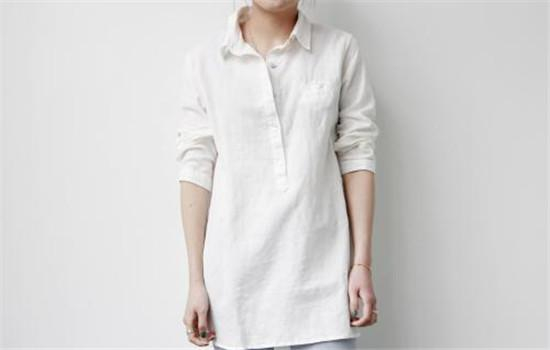
When we step into a structured blazer or a crisp, well-fitted shirt, our posture often shifts instinctively. This isn’t just about the physical constraints of the fabric; it is a mental alignment with the qualities we associate with that specific look. Sharp lines and structured shoulders are linked to authority and precision. Consequently, an individual wearing such items often performs better on tasks requiring high levels of attention to detail. This is the power of the symbolic meaning we bake into our daily choices.
Color and Emotional Resonance
Beyond the cut of the fabric, the palette we choose acts as a silent language. Darker tones are frequently used as a psychological shield, offering a sense of security and seriousness in professional environments. In contrast, softer, lighter shades can promote a sense of approachability and openness. By understanding these subtle cues, we can use our daily selections as a tool for emotional regulation. If you are feeling particularly drained, reaching for a vibrant hue might provide the sensory “spark” needed to shift your internal state.
The Ritual of Transformation
The transition from “home wear” to “public wear” serves as a vital mental bridge. This ritual signals to the brain that it is time to shift gears—from relaxation to productivity, or from the private self to the social self. In an era where the lines between personal space and professional space have become blurred, the deliberate act of changing one’s appearance remains one of the most effective ways to maintain mental boundaries.